Encore Medical Education · Prepared for Eli Lilly · October 2026

The Lilly program, chapter two.

Twelve case-based CME films for Lilly Mexico are live. This is the plan for what comes next: where the program stands today, how we take it across Lilly's teams, how each new film gets made, and three tools that make the next round faster, more human and more measurable.

Start with the overview
01 · Overview

Where the program stands.

Lilly Mexico asked us for physician education that teaches through the consultation, not the slide. We built four patients, three visits each, across rheumatology and obesity, all in Mexican Spanish. Each case follows one patient from the first appointment through the treatment decision to the follow-up, so the physician watches the clinical reasoning happen.

Every note from Lilly's medical review and our own was worked back into the cut. That review loop is now a known quantity, and it's the foundation for everything on the roadmap below.

12 films · 4 patients · 3 visits each · 2 therapeutic areas · Mexican Spanish · Lilly Mexico × Encore

The roadmap · proposed

  1. Phase 01Delivered

    Lilly Mexico case library

    Rheumatology and obesity, twelve films. The format, the cast, the review loop and the delivery spec are proven. Those cases stay live and keep earning credits on our on-demand catalog.

    Medical educationMedical review
  2. Phase 02Next quarter

    New cases, new markets

    Extend the library to the next therapeutic areas and carry the existing cases into new languages. Same patients, same scenes, a native voice track per market. A new language is another edit, not another shoot.

    Medical affairsCountry teamsRegional medical education
  3. Phase 03Department rollout

    One production, many teams

    The characters and sets we've already built can serve more than CME. Field-force training on the same patient journeys, launch education for new medications, and patient-facing explainers, each one cleared through the review process the CME films already passed.

    Sales trainingBrand and launchPatient educationMarket access
  4. Phase 04Ongoing

    Interactive, always on

    Branching cases where the physician makes the call, real KOLs on screen through a screen test, and a library that gets re-rendered as the models improve. Sections 04 to 06 cover how.

    Medical educationKOL programsDigital
02 · The films

Twelve visits, four patients.

Swipe through the full series. Tap any film to watch it with sound. Each visit stands alone as a lesson, and each case plays as one continuous patient story.

What the films are doing

Case-based video holds a physician through the whole decision: the history, the exam, the conversation about treatment, and what changed at the follow-up. That's the moment that shapes prescribing confidence for a new medication, and it's the part a slide deck can't show.

For Lilly, the same cases do double duty. They educate on the disease state and the treatment pathway, and they put the new medications in front of the physicians who'll write for them, inside an accredited, independent format.

  • Physicians reachedTo confirm
  • Completion and credit rateTo confirm
  • Pre and post knowledge gainTo confirm
  • Markets and channels in useTo confirm
Physician feedback quote goes here, in the doctor's own words.Name, specialty, city · To confirm
Second physician quote on the rheumatology cases.Name, specialty, city · To confirm
Third quote, ideally on the obesity cases or the format itself.Name, specialty, city · To confirm
03 · Process

How a new film gets made.

It's the same loop that delivered the first twelve, tightened. Lilly's medical team and our faculty own the medicine. Our production team turns it into a film. Nothing renders until the clinical content is locked, and every review round has a clear owner and a clear turnaround.

  1. Step 01

    Clinical brief and case outline

    Learning objectives, the patient, the visits. Our faculty set what the physician should take away. We turn that into a case outline: who the patient is, what happens at each visit, and where the decision points sit.

    Encore · Faculty
  2. Step 02

    Script and medical review

    Dialogue written the way a consultation actually sounds, in the target language from the start. Medical review signs off on the script before anything is staged, so clinical changes are cheap.

    Encore writes · Lilly reviews
  3. Step 03

    Cast and screen test

    Patients and physicians are cast for the market. Real faculty can appear as themselves through a screen test.

    Encore casts · Lilly approves
  4. Step 04

    Graybox and performance

    We block the room, then real actors perform it. Staging is signed off before a single frame is rendered. See Hybrid AI.

    Encore stages · Lilly approves
  5. Step 05

    Render and edit

    The final look, lighting and environments, cut to time with sound, captions and on-screen clinical data.

    Encore production
  6. Step 06

    Review rounds

    Every note is worked back into the cut. Changes land on the shot, not the whole film, because the staging is already locked.

    Lilly reviews · Encore revises
  7. Step 07

    Localize and deliver

    New voice tracks for each market, then masters, captions and stills published to our on-demand catalog and Lilly's own channels.

    Encore delivers
04 · Hybrid AI

Hybrid AI. AI efficiency, real actors.

Pure generative video is fast, but it guesses at the things clinical education can't afford to get wrong: how a hand moves through a joint exam, the pause before a patient admits they stopped their medication. So we split the job. People give the performance. AI does the rest.

AI-assisted · Step one

Graybox

Before anything looks real, we build the scene in plain gray geometry. The consult room, the exam table, where the doctor sits, where the patient stands. Cameras, lenses and timing are set in that simple 3D space.

Lilly's team reviews the blocking at this stage, when moving a chair or swapping an angle costs minutes, not a re-render.

Real actors · Step two

Motion capture

Real actors perform the consultation: body, hands, face and voice. Their timing, hesitation and eye contact drive the characters on screen.

That's what makes a clinical exam read as correct and a difficult conversation read as true. Physicians notice when it's off.

AI · Step three

Render

AI takes the captured performance and builds the final picture: the patient's look, wardrobe, lighting, the clinic itself, consistent from visit one to visit three.

It also handles the language. The same performance can carry a native voice track in each market.

Why it matters for the next round. The graybox means review happens before the expensive part, not after it. Motion capture means the clinical moments are performed by people, not invented by a model. And because the scene, the characters and the performances are saved, a new case or a new market starts from what's already built.

What stays the same. No studio day for Lilly, no crew on your side, and the same medical review gates as the first twelve films. You see the staging earlier, and the finished film arrives closer to final.

05 · Screen test

Put the faculty on screen.

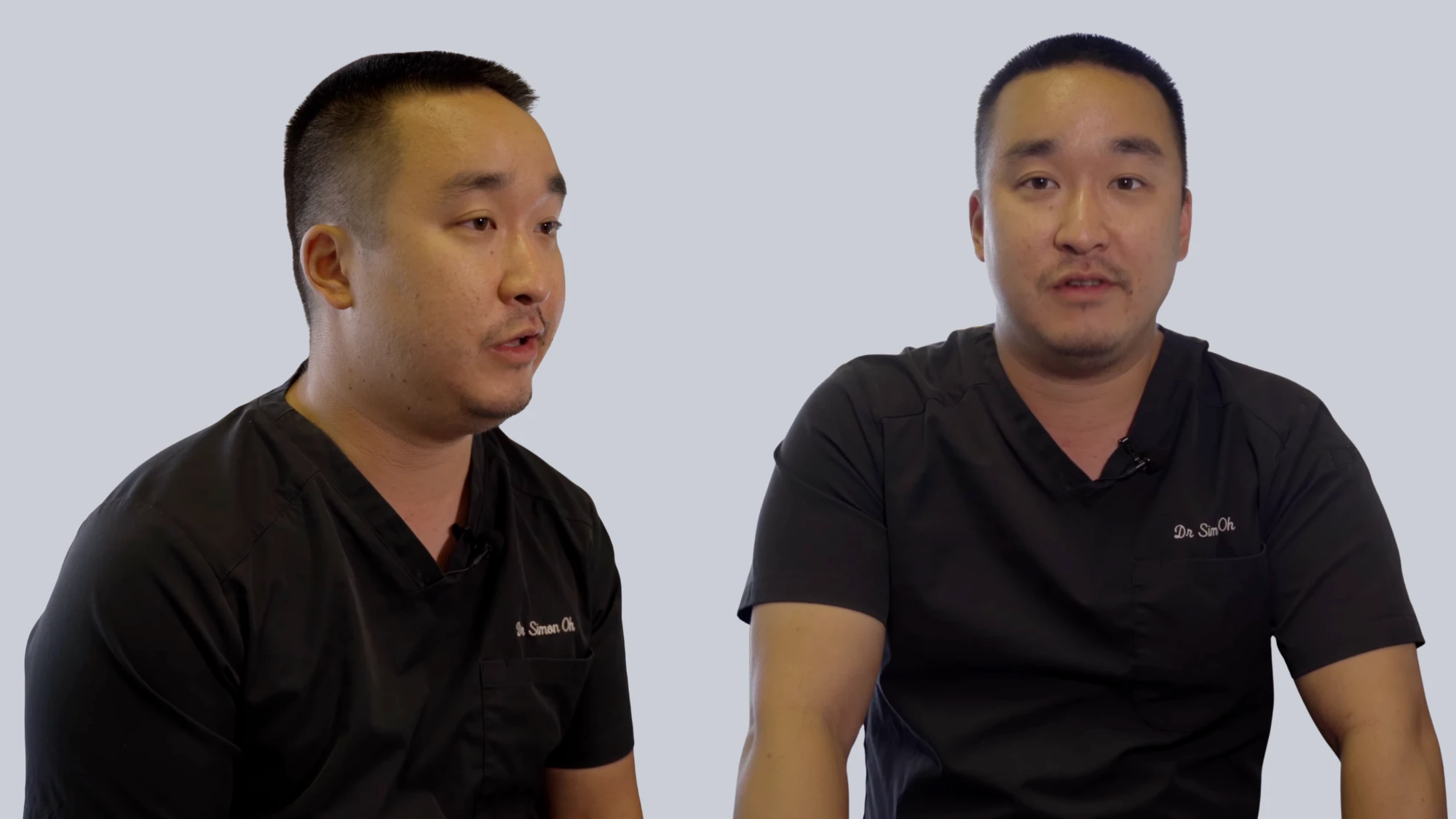
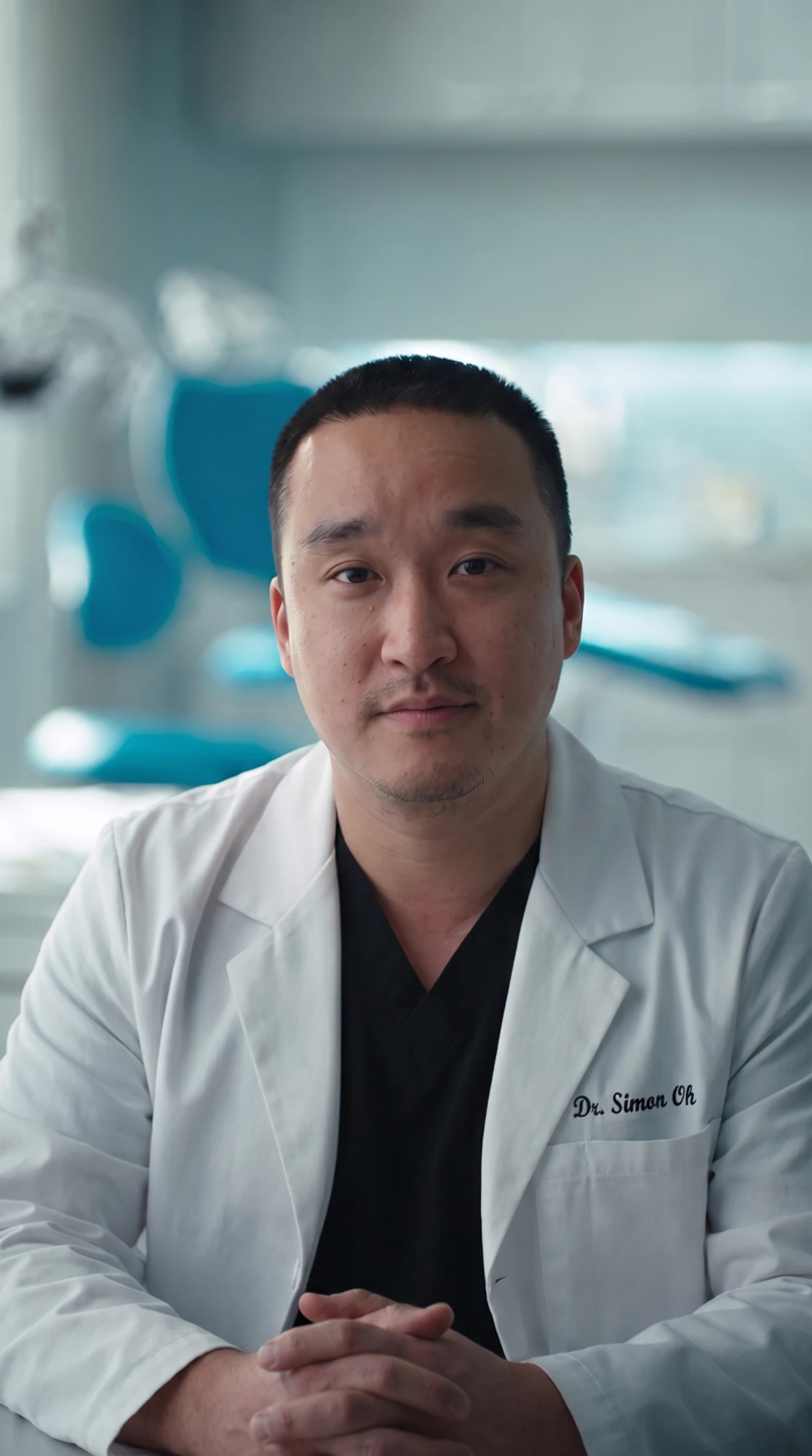
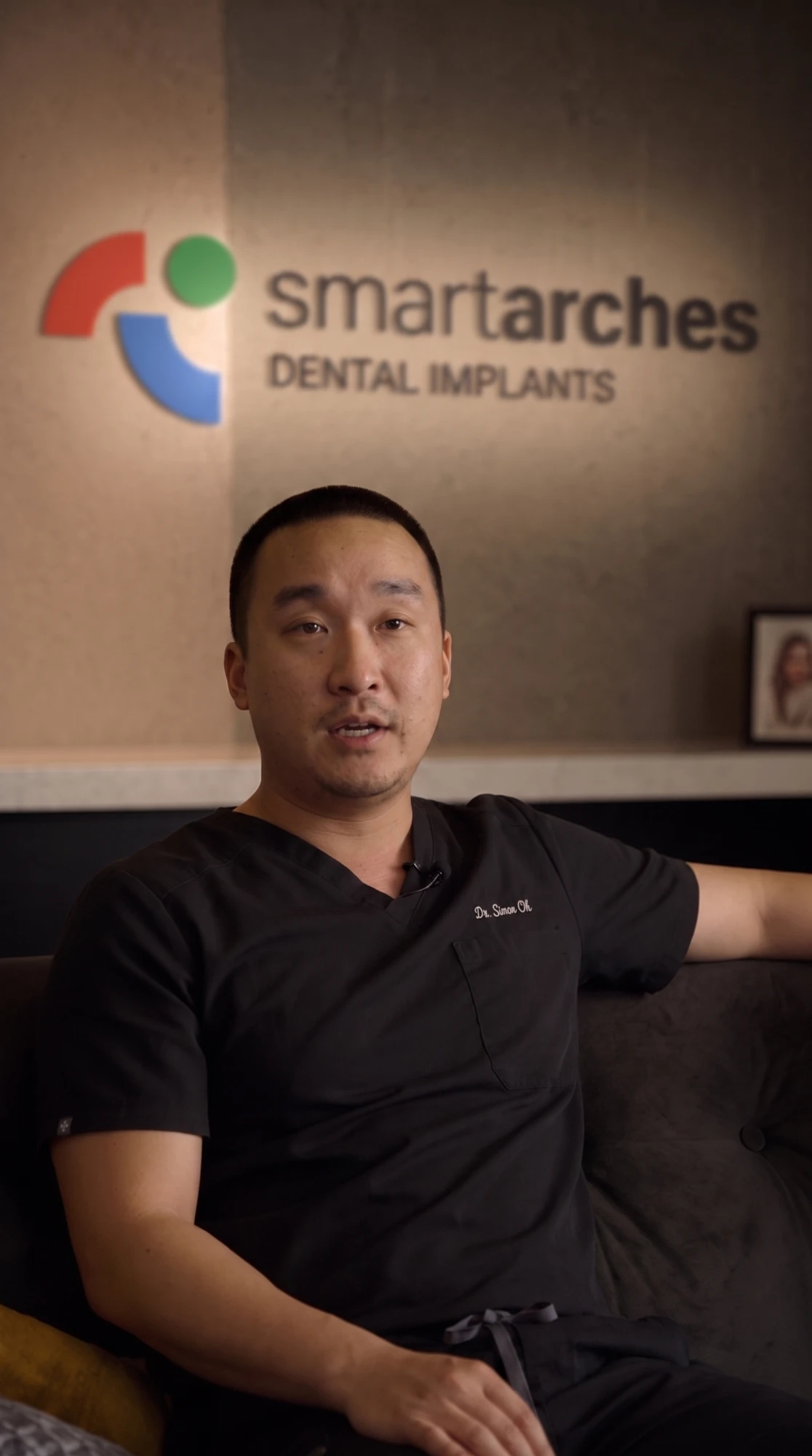
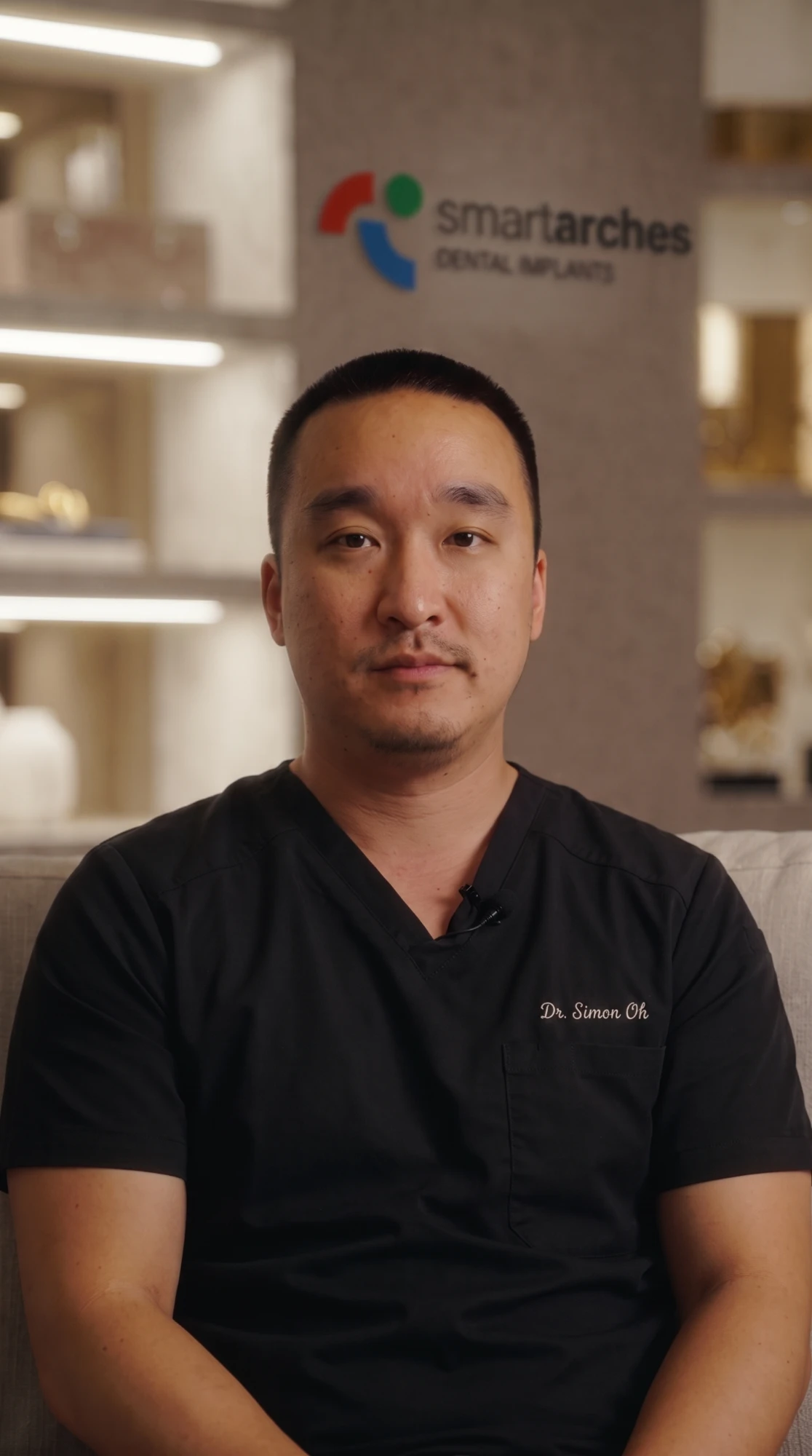
Our programs are built on key opinion leaders. A screen test lets those physicians appear in the films as themselves, without a film shoot. The only ask is one portrait session and, if they speak, a short voice recording.

Reference photo of Dr. Simon Oh against a plain backdrop
In · The reference
Dr. Oh rendered in a treatment room
Out · Treatment room
Dr. Oh rendered in a warm lounge
Out · Warm lounge
Dr. Oh rendered at a front office
Out · Front office

The photos set the likeness. We direct everything else. The physician's team shoots about 18 reference photos: three framings, one lighting setup, the person turning while the camera stays put. We build the lighting, wardrobe, environment and performance around that likeness.

Above, Dr. Simon Oh: two frames in, three portraits out. Same person, three settings, still recognizably him.

For a speaking role, we add a short voice capture so the physician delivers their own lines, lip-synced, in the film. It's how a faculty member introduces a case, walks through the evidence or closes the module, in a setting that matches the rest of the series.

The full guide covers the shot series, lighting, wardrobe, voice capture and how to send files. It's written for whoever is behind the camera.

Open the screen test guide →
06 · Interactive video

Let the physician make the call.

Today the physician watches the doctor on screen decide. Interactive video hands them the decision. At each decision point in a case, the film pauses and asks: order the labs, adjust the dose, start therapy. The next scene plays out the consequence of what they chose.

A branching case: visit one leads to a decision point with two choices, each playing a different visit two, both returning to a shared debrief. Visit 1The case ? Choice AVisit 2a Choice BVisit 2b Debrief

Let's plan the next cases.

Thirty minutes with the Encore and Lilly teams. Bring the therapeutic areas and markets on your list, and we'll map the first new case and an interactive pilot.

Book the session

Or email fran.grega@encoremeded.com